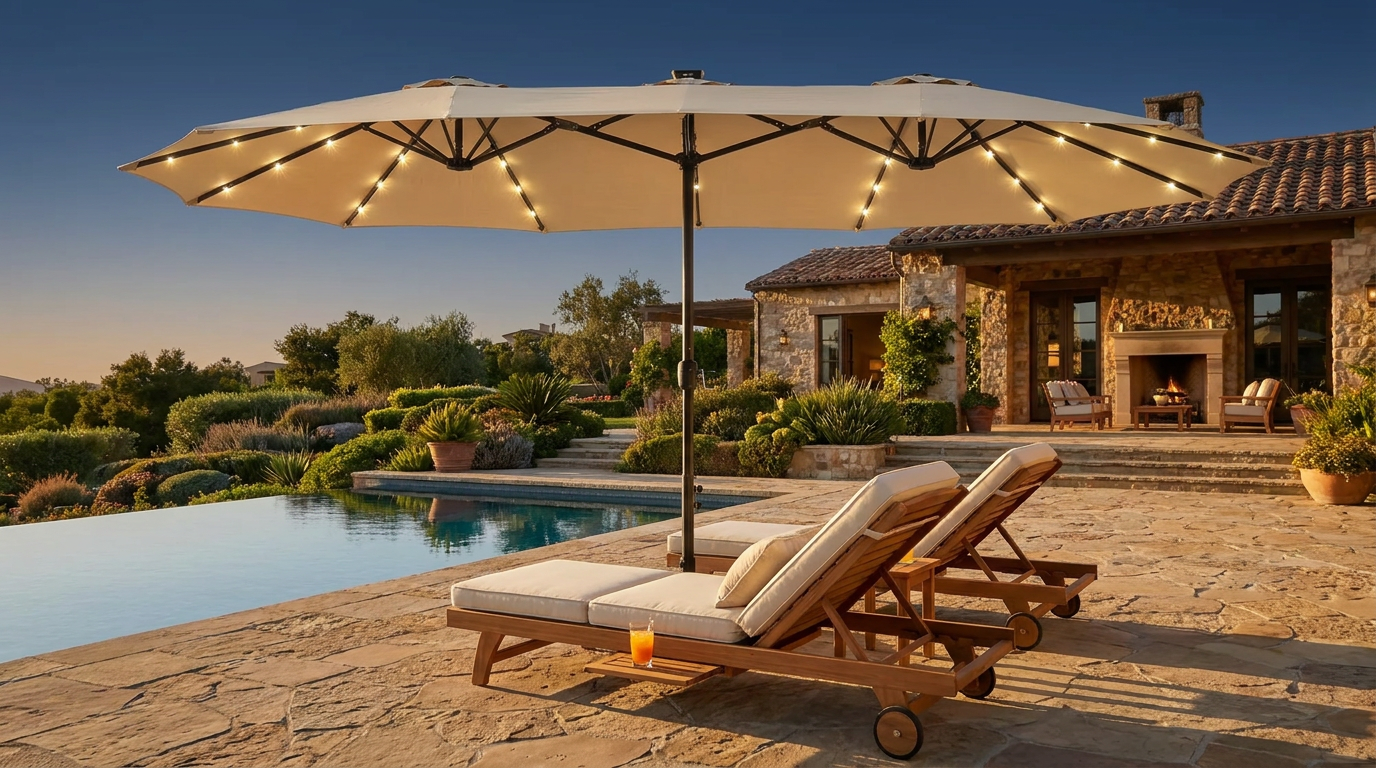
Solar Powered Patio Umbrella Selection Framework
 Priya RamanSenior Analyst
July 22, 2026 — The rising demand for integrated outdoor lighting has positioned the Solar Lights Umbrella as a central component of modern landscape design. As consumers move away from temporary string lights, the integration of high-efficiency photovoltaic cells into shade structures has become a necessity for extended evening utility.
Selecting a solar powered patio umbrella requires a structured approach to balance illumination and mechanical stability. Think of it as a matrix of light density and structural reach. According to data tracked by industry analysts at Solar Lights Umbrella, the primary search intent for these systems focuses on two axes: lumen output for nighttime visibility and the physical footprint required for specific deck or patio layouts. When evaluating these systems, the choice between a center-pole market style and a cantilevered arm determines how the light will be distributed across the seating area. Whether you are considering a 9ft solar lighted market umbrella for a standard dining set or exploring cantilever umbrella with solar lights for offset lounging, the underlying technology remains the same: monocrystalline panels charging lithium-ion batteries during daylight hours.
The Three-Axis Selection Model
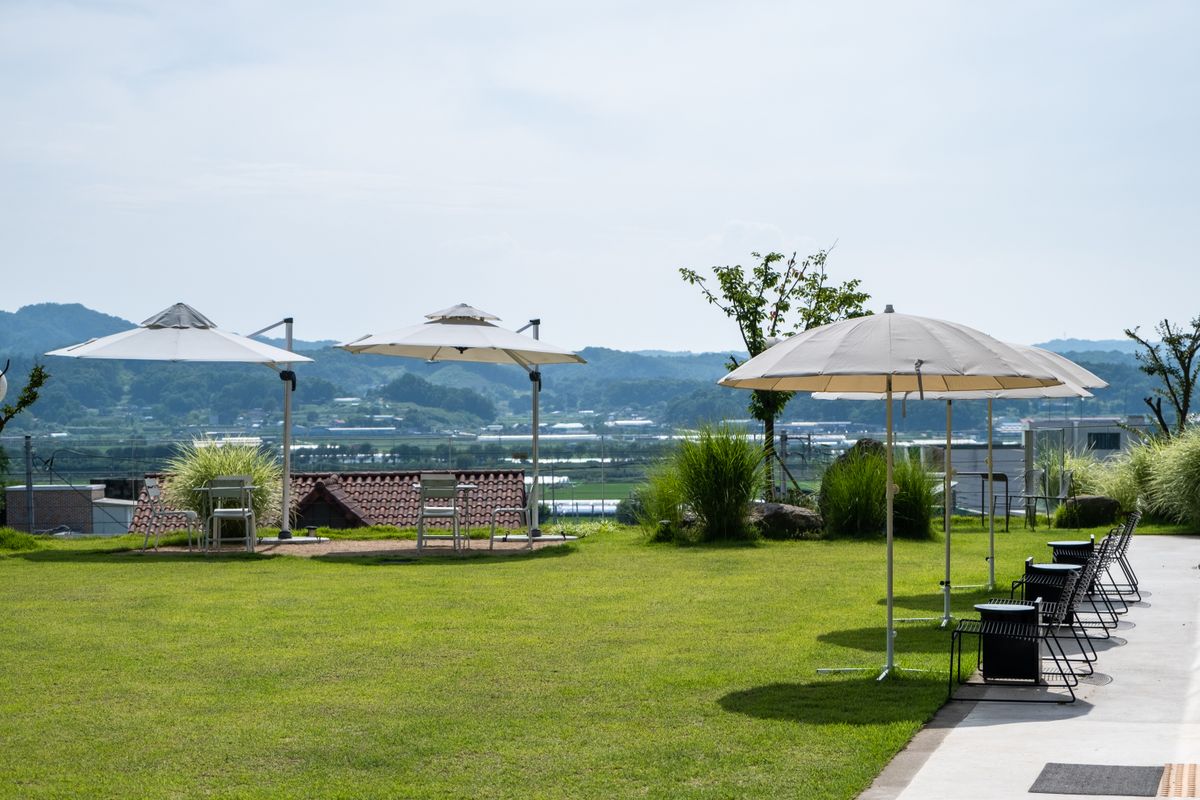
Photo by SOO CHUL PARK on Pexels
To effectively categorize a solar powered patio umbrella, one must evaluate the intersection of coverage, endurance, and placement. The first axis is Coverage Area. A standard 9ft diameter canopy typically provides adequate shade and light for a 48-inch table, while larger cantilever models extend that reach significantly. The second axis is Energy Endurance. Research indicates that high-capacity systems aim for a 6-to-8-hour runtime following a full day of sun exposure, a critical metric for those who use their [solar umbrella lights for deck](/blog/solar-umbrella-lights-for-deck) environments late into the night. The third axis is Placement Versatility. A center-pole model is restricted by the presence of a table hole, whereas an offset design allows for light to be suspended over fire pits or hot tubs without a central obstruction. Once you see it this way, the selection process shifts from aesthetics to functional utility. For instance, the decision rule for high-traffic areas is to prioritize a [best solar umbrella for patio](/blog/best-solar-umbrella-for-patio) designs that feature reinforced ribbing to protect the internal wiring of the LED strips. Consumers frequently search for 9ft solar cantilever umbrella with lights lights, highlighting a specific preference for the combination of large-scale shade and integrated circuitry that eliminates the need for external power cords.
Expert tip: To maximize the lifespan of the internal battery, ensure the solar panel is cleared of debris weekly, as even thin layers of dust can reduce charging efficiency by up to 20 percent on high-density LED models.
This framework ensures that any investment in outdoor lighting serves both the aesthetic and practical needs of the modern home.